
If you’ve spent any time in a local club or hotel bar, you’ve already seen the screens glowing in the corner. Pokies machines Australia explained properly means separating the cabinet on the wall from what runs on your phone, because the two experiences have drifted apart. The mechanics still share the same maths underneath, but the way you load a spin, chase a feature, and manage your balance has changed enough that a clear read matters before you commit time or cash. I’ve spent plenty of late afternoons watching operators and players talk past each other on this exact point, and the confusion usually comes from treating every screen like it’s the same machine.
How the Cabinet Differs from the Screen

The old-school pokies you find down the coast or in a Wollongong RSL still run on a fixed cabinet, a dedicated screen, and a paper or digital ticket system that handles your credits. Spin outcomes sit on a certified random number generator, and the return-to-player figure is locked in before the machine ever hits the floor. You feed notes or coins, watch the reels, and collect a ticket if you walk away with something left. That’s the shape most Australians picture first, and it’s still the most straightforward version of the game.
The screen-based version keeps the same outcome logic but wraps it in a browser or app, which means the interface, load times, and navigation become part of the product instead of just the cabinet’s buttons. When I’ve compared the two side by side, the difference that matters most isn’t the theme or the paytable – it’s how quickly the session responds when you’re rotating between games, checking balance, and moving through menus on a smaller display. A cabinet has hard buttons and a fixed layout; a screen needs to keep menus tidy and spins loading without making you tap through clutter.
That’s where a lot of players misjudge the experience before they’ve actually sat down with it. The maths hasn’t changed just because the delivery has, but the way you interact with bet sizing, autoplay, and feature triggers can feel different when everything lives on a phone or laptop. If you’re comparing a club floor to a browser session, the honest read is that the screen version shifts the effort from the physical machine to the interface around it.
What Actually Changes on Mobile
Mobile usability is where the screen version earns its keep or loses it, because a pokies session on a phone is only as good as the space around the reels. A responsive layout matters more than a flashy theme, since you’re usually spinning with one hand and glancing at the paytable or bet controls with the other. When the navigation stays narrow and the buttons sit where your thumb naturally lands, the session feels controlled; when the menus spread out or the load times drag, the same game turns clunky fast.
Performance is the second piece, and it’s the one most players notice before they notice anything else. A session that keeps spin times consistent, balances updating immediately, and menus snapping open without a pause is easier to stick with than one that stutters every time you change lines or switch games. I’ve watched sessions fall apart not because the game was weak, but because the display kept resizing, the controls shifted around, and the player had to relearn the screen every few minutes. That kind of friction is what separates a clean mobile fit from a messy one.
Navigation is the part that tends to get overlooked until it’s annoying you mid-session. Clear game switching, a balance that’s always visible, and bet controls that don’t hide behind extra taps are the practical details that decide whether a phone session feels natural or fiddly. If you’re playing in an arvo on the train or killing ten minutes before dinner, you don’t want to be hunting for the spin button or scrolling through a crowded menu just to adjust your stake. The good setups keep the essentials close and the extras out of the way.
| Mobile check | What to look for |
|---|---|
| Layout | Controls stay readable without zooming |
| Speed | Spins and menus load without stutter |
| Balance visibility | Credit total stays in view during play |
| Game switching | Moving between titles doesn’t reload the whole screen |
| Bet controls | Stake and lines adjust in one or two taps |
- Keep the bet controls within easy reach before you start a session, not buried under a second menu.
- Check that the balance updates straight after a spin instead of lagging behind the reels.
- Test game switching on a couple of titles so you know the navigation holds up outside the first page.
Who the Screen Fit Suits Best
The screen version tends to suit players who want a short, self-managed session without commuting to a venue, especially if you’re balancing it around work, family, or a quick break in the evening. It’s a better fit when you already know the basics of bet sizing and feature triggers, because the interface is doing the heavy lifting on convenience rather than teaching you the game from scratch. If you like keeping your session tight and your balance visible, the mobile shape can work well.
It’s less natural for anyone who wants the physical rhythm of a cabinet, the noise of a floor, or the fixed pace of a club machine. The screen version also asks for a bit more discipline around session length, because the convenience of playing from the couch can blur the line between a quick spin and a longer run. That’s not a warning about the game itself – it’s just the reality of playing on a device that’s always within reach.
If you’re weighing whether the screen fit matches your habits, the practical question is how you want your session to feel day to day. For some players, a clean mobile layout and steady performance are enough to make it worth using. For others, the cabinet still feels like the more comfortable home for the same maths. Either way, the choice is about fit, not about one version being automatically the right one for everyone.
If you’re weighing your options and want a starting point for a no-obligation look at how a screen-based session is presented, you can check the details here before you decide how you want to approach it.
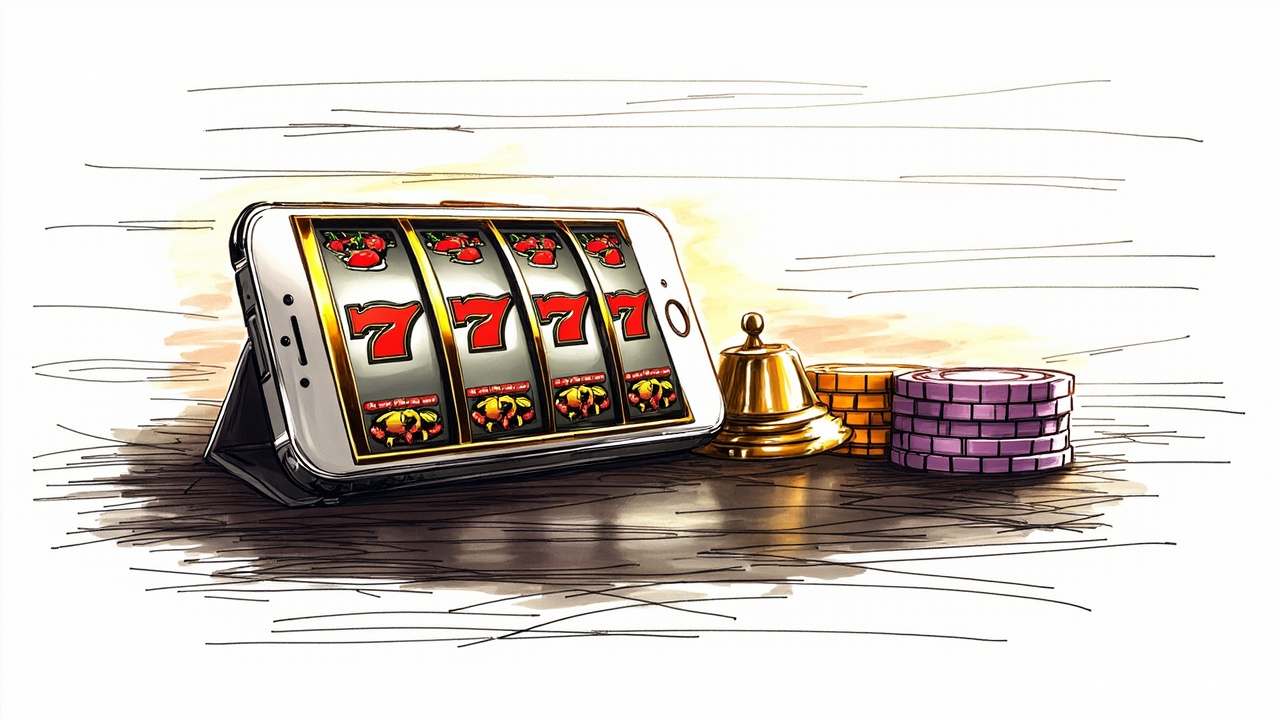
The honest read is that pokies machines Australia explained properly comes down to matching the format to the way you actually play. The maths stays the same, but the experience changes depending on whether you want a cabinet on a club floor or a clean screen in your pocket. Pick the version that fits your session habits, keep your stake and time in view, and treat the interface as part of the product rather than an afterthought.