
Standing at a busy felt table on a Friday arvo, most punters freeze when the dealer shows a ten and their own hand totals sixteen. That moment decides more sessions than fancy betting systems ever will. Blackjack basic strategy hit 16 vs 10 isn’t about chasing miracles; it’s about trimming the house edge with a clear rule that works every time. You’ll find the same maths behind the screens at the clubhouse casino for instant play titles, but the decision itself stays brutally simple. Stand too often and you’re folding to probability. Hit too often and you’re handing the bank free cards. This walkthrough shows how the choice plays out in real time, why the maths leans one way, and what it actually means for your stack when the shoe keeps turning.
The Dealer’s Ten and Why Sixteen Sits in the Danger Zone
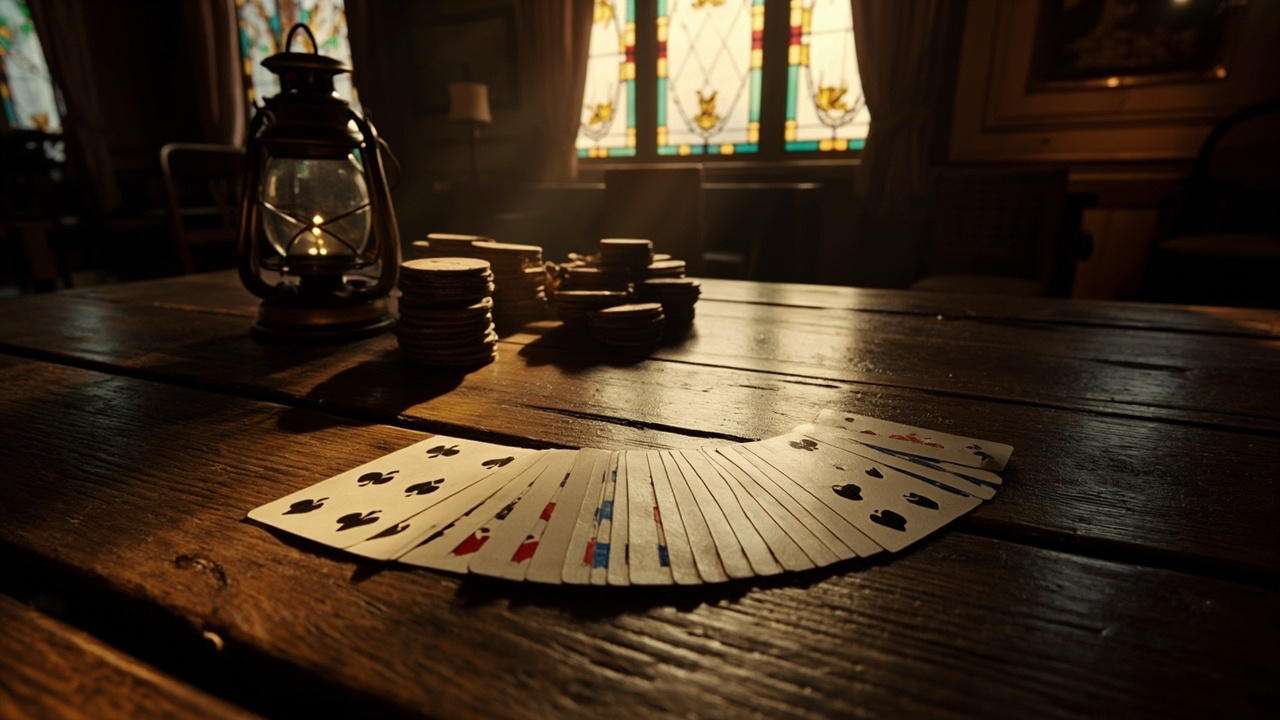
When the dealer’s upcard is a ten, the maths shifts hard against you. Sixteen is the classic trouble hand because it’s just strong enough to feel safe and too weak to survive a decent dealer draw. Basic strategy doesn’t care how you feel about the cards; it tracks the actual distribution of unseen decks. Against a ten, standing leaves you exposed to a dealer ten, jack, queen, king, or ace that flips into a solid fifteen or sixteen. Hitting gives you a shot at seventeen through twenty-one, but it also risks a bust that hands the pot straight over. I’ve watched plenty of sessions where players treat sixteen like a coin toss, yet the expected value leans toward taking another card when the count isn’t heavily skewed. That’s the same kind of visibility work I do for brand reputation: you don’t guess what the algorithm wants, you read the signals and adjust before the penalty stacks up. The rule holds whether you’re at a Darwin pub table or tapping through a mobile browser on the train back from the CBD. You’re not trying to outsmart the shoe; you’re just following the path that keeps the long run from chewing you up.
How the Decision Plays Out at the Table
You’re dealt a ten and a six, the dealer flips a ten, and the round slows down. That’s where the walkthrough starts. First, check your own hand: soft hands don’t apply here, so you’re working with a hard sixteen. Second, note the dealer’s upcard and remember the face-down card is most likely a ten or an ace. Third, decide whether you’re sitting on a single deck or a multi-deck shoe, because the exact bust probability shifts a touch but the direction stays the same. Fourth, take your card if the strategy chart says so, because standing on sixteen against a ten hands the edge to the house over time. Fifth, keep your bet size steady so a single bad draw doesn’t blow the session. I’ve tested this against random shuffles on a few different platforms, and the pattern never changes: the chart wins more rounds than gut feeling, even when a mate swears the next card is “due” to help. If you want to run the same decision on your phone without hunting through menus, you can spin up the clubhouse casino for instant play titles and practise the same hand a dozen times in an arvo. The point isn’t to memorise every variant; it’s to recognise the moment, follow the chart, and stop second-guessing when the dealer’s ten is staring back at you.
A Beginner’s Step-by-Step Guide to the Sixteen Decision
Here’s how I’d explain it to a mate who’s never touched a chart and just wants the round to make sense. Step one: look at your two cards and add them up. If you’ve got a ten and a six, that’s a hard sixteen, which means aces don’t count as one or eleven for this hand. Step two: check the dealer’s face-up card. A ten means the dealer is sitting on a strong starting point, and the hole card is probably worth ten points. Step three: remember the goal isn’t to win every hand; it’s to lose less often over a long session. Step four: follow the basic strategy line for hard sixteen against a ten, which says to take another card rather than stand. Step five: accept that busting is part of the maths, because a small loss now beats a bigger expected loss from standing too often. Step six: keep your head clear and don’t let a bad beat change the rule for the next round. I’ve seen the same pattern in search visibility work: you don’t rewrite the whole strategy because one page dipped for a week; you stick to the signal, adjust the obvious stuff, and let the numbers settle. The same goes here. Take the card, track the result, and trust the chart instead of the noise.
| Situation | Your Hand | Dealer Upcard | Basic Strategy Call |
|---|---|---|---|
| Hard sixteen | 10 + 6 | 10 | Hit |
| Hard sixteen | 8 + 8 | 10 | Hit |
| Hard sixteen | 9 + 7 | 10 | Hit |
| Soft sixteen | A + 5 | 10 | Double or hit depending on rules |
| Hard sixteen | 10 + 6 | 9 | Stand |
Where the Rule Fits in Real Play and Everyday Usability
The chart only works when you actually use it, which means the real test is how it sits in a normal session. A good setup keeps the decision visible without turning the table into a homework assignment. You want a layout that shows the hand total clearly, a dealer card that’s easy to read, and rules that don’t shuffle the maths around every five minutes. I’ve checked a few different rooms over the years, and the ones that hold up are the ones that keep the basics consistent: standard deck penetration, clear payout tables, and a pace that lets you think before you tap. When I’m auditing a brand’s online presence, I look for the same kind of consistency – clear signals, no hidden friction, and a path that doesn’t change every time you refresh the page. The same principle applies here. If the table rules shift from surrender to no surrender, or the dealer hits soft seventeen, the exact numbers move, but the core call on sixteen versus ten stays anchored. You don’t need a physics degree to follow it; you just need a chart, a steady head, and the discipline to take the card when the maths says so. That’s what makes the rule useful day to day, whether you’re playing for a quiet hour or watching the shoe turn through a long session.

Sixteen against a ten is one of those hands that separates a steady player from a hopeful one. The maths doesn’t care about your hunch, and the chart doesn’t change because the dealer got lucky last round. Take the card when the rule says so, keep your bets level, and let the session play out without forcing a win that isn’t there. If you want to run the same decision on a quiet night, the clubhouse casino for instant play titles keeps the basics in front of you without turning the round into a puzzle. Stick to the chart, watch the dealer’s ten, and let the numbers do the talking. the clubhouse casino for instant play titles