Online poker tools need to feel native, not bolted on. When I first wired PlayWise Systems into bingo platforms, the lesson stuck: localisation and navigation decide whether people stay or wander off. This piece looks at poker HUD software australia through that same operational lens, focusing on how the interface reads, how it handles language and currency, and whether the everyday flow suits a regular session without fuss.
Visual identity and navigation that actually help
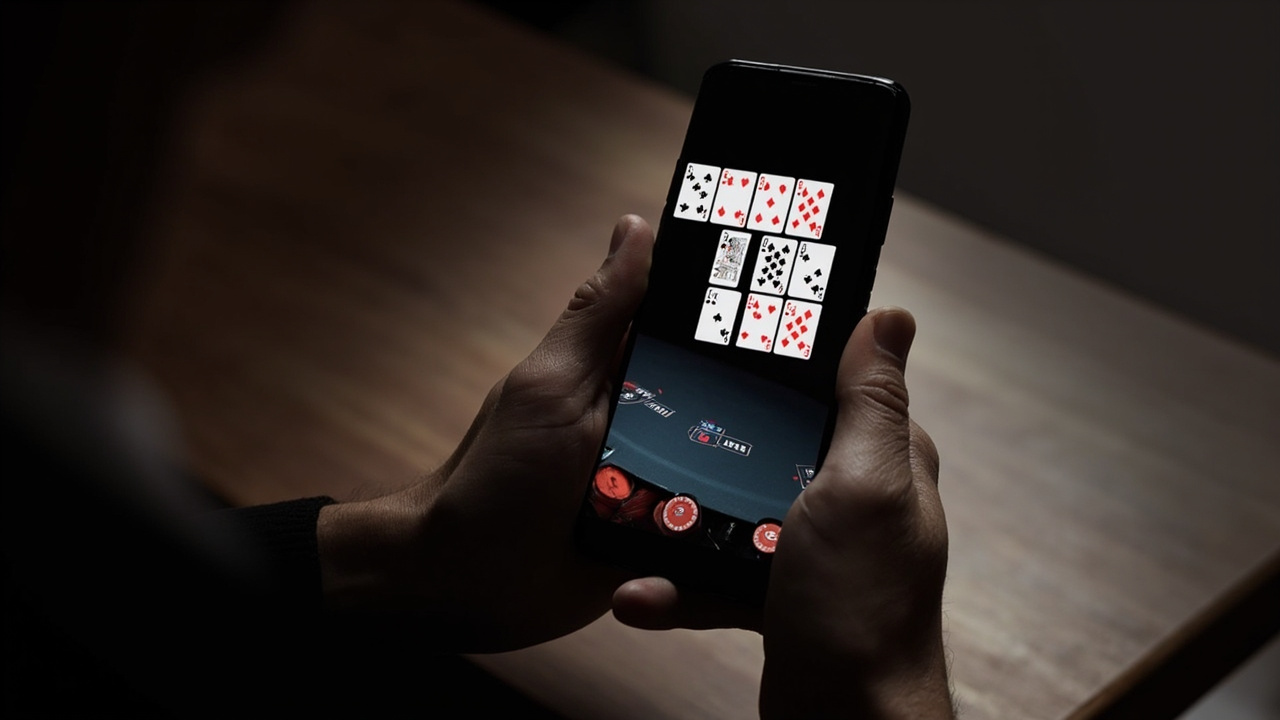
A HUD lives in the corner of your screen, so the visual identity has to earn its space. Clean hierarchy matters more than colour overload, and I have seen dashboards fail because operators stacked every metric on one panel without grouping by relevance. The best setups separate session stats, opponent tendencies, and table actions into distinct lanes, so you can glance down during a busy arvo and catch the signal without hunting for it. Navigation should follow the same logic: sensible tabs, clear labels, and controls that do not hide behind nested menus. When the layout mirrors how players actually think about a hand, the tool stops feeling like a separate app and starts feeling like part of the table.
Prioritize function over decoration to keep the interface intuitive under pressure. When operators can locate critical data instantly, they spend less time navigating and more time resolving issues. You can find additional design resources at 21bit casino login australia to further refine your approach.
Language, currency, and localisation for Melbourne players
Localisation is where a lot of tools quietly lose people. Australian players expect dollars on the screen, not some converted figure that shifts the mental maths mid-session. Date and time displays should match local conventions, and the language should read naturally rather than like a translation that missed a few beats. In Melbourne clubs and home games, players move fast and talk plainly, so the interface should respect that pace with straightforward labels and quick filters. I have integrated payment flows where the currency switcher worked fine but the surrounding copy never quite settled, and that mismatch is enough to make a tool feel foreign. Getting the localisation right is not polish for its own sake; it is the difference between a HUD that helps and one you ignore.
Everyday usability across desktop and mobile
Most poker happens across devices, so usability has to hold up when you shift from a desktop setup to a phone on the train home. The HUD should resize without cramping, keep the key stats visible, and let you toggle panels without losing your place. I have run DevOps checks on platforms where mobile views looked fine in testing but fell apart once real traffic hit, because the layout had not been tested against genuine session length. A good tool accounts for that: readable at a glance, responsive enough to follow a multi-table session, and stable when you switch windows. If the interface fights you on mobile, it will not matter how deep the stats run, because nobody keeps using something that slows the rhythm of a session.
Real conditions, limits, and trade-offs
No HUD removes the need to read a table, and that is the honest trade-off. Tools surface patterns, but they do not tell you when a player is tilting or when a seat is cold. The data can also lag if the session is fast or the table is crowded, so you have to know when to trust the numbers and when to step back. I have seen infrastructure where the telemetry looked solid until peak load hit, and then the updates slowed just enough to matter. A HUD is most useful when you treat it as one input among several, not as a verdict machine. Used that way, it supports your decisions; treated as a shortcut, it quietly costs you attention.

When you are weighing poker HUD software australia for your own sessions, what matters more to you: a cleaner interface that keeps the stats readable, or deeper data that takes a bit more sorting to use well? Share your take in the comments or pass this along to a mate who is picking a setup for the next session.
- HUD – heads-up display, the on-screen panel that shows stats and table info.
- Localisation – adapting language, currency, and display formats to a specific region.
- Telemetry – the behind-the-scenes data flow that feeds stats and updates.
- Session – a single period of play, from login to logout.