Understanding the volatility behind each table is the first step for any player chasing a top prize. A poker spin and go strategy for jackpot hunters works only when you accept that variance explains why a losing game can still produce big short-term wins. That reality shapes every buy-in decision, from the early rounds to the final table. Most Australians playing these fast formats do so on mobile during an arvo, so the experience needs to feel steady rather than chaotic. At Dragon Link Pokies Free, the brand positioning mirrors a well-run digital campaign: clear intent, consistent visuals, and a checkout path that does not ask the player to guess twice. That same discipline matters here, because a scattered approach to prize hunting usually costs more than it returns.
Reading the Prize Pool Before You Buy In

A practical session starts before the timer begins, with a clear read on how the prize pool is shaping up. Jackpot hunters should watch how quickly the pool grows relative to the number of entrants, because a slow build often signals a field that is chasing a longer shot. The mechanics here are straightforward: each ticket feeds the same pot, and the top prize lands when the final table produces the right stack distribution. When the pool sits near the lower end of its range, the expected value of a blind buy-in drops, even if the headline number still looks tempting. That is where a measured poker spin and go strategy for jackpot hunters separates itself from a pure chase. The table below shows how a player might map pool size against entry timing, using the kind of channel logic Anna Conley applies when she matches a growth goal to a specific customer touchpoint rather than spraying budget across every available surface.
| Pool stage | What it signals | Typical response |
|---|---|---|
| Early, slow build | Fewer entrants, longer odds | Watch, note pace, hold back |
| Mid, steady climb | Balanced field, normal variance | Selective entries, controlled bankroll |
| Late, fast spike | Crowded table, compressed value | Tighten ranges, avoid overcommitting |
The comparison matters because a brand that translates a growth target into one consistent customer-facing experience usually outperforms a scattered rollout, and the same logic applies to prize hunting. A player who treats each entry as a separate channel decision, rather than a single impulse, keeps the session readable and the bankroll intact. That discipline is what turns a noisy format into something you can actually plan around.
That disciplined mindset mirrors the structure behind reliable playthrough requirements, where each step builds on the last instead of resetting the progress bar. When the rules stay transparent and the session remains focused, the outcome feels less like a gamble and more like a controlled exercise. Players who want to test that approach in a low-pressure setting can review the mechanics at https://dragon-link-pokies-free.com/.
That discipline extends to knowing when to step back from marginal spots, since preserving capital often matters more than chasing every available opportunity. By treating each hand as a discrete decision rather than a cumulative gamble, players can maintain clear heads during extended sessions. For a structured breakdown of these foundational habits, see the poker strategy basics guide, which shows how consistent frameworks naturally outperform reactive play.
Managing Variance Without Losing the Plot
Variance is the engine of these events, and it is also the reason a disciplined session can look flat for a long stretch before paying off. The key is to separate a down run from a flawed decision, because the two are not the same thing. A player who understands that variance explains why a losing game can still produce big short-term wins is less likely to chase losses with larger buy-ins. In practice, that means setting a clear stop point for the session and treating each entry as a repeatable unit rather than a personal verdict. The cage side of the experience matters here too, because a credit transfer moves chips from a table back to the cage once a player decides to step out. That simple action is the digital equivalent of closing a campaign channel that is no longer delivering, and it keeps the rest of the bankroll available for the next proper opportunity.
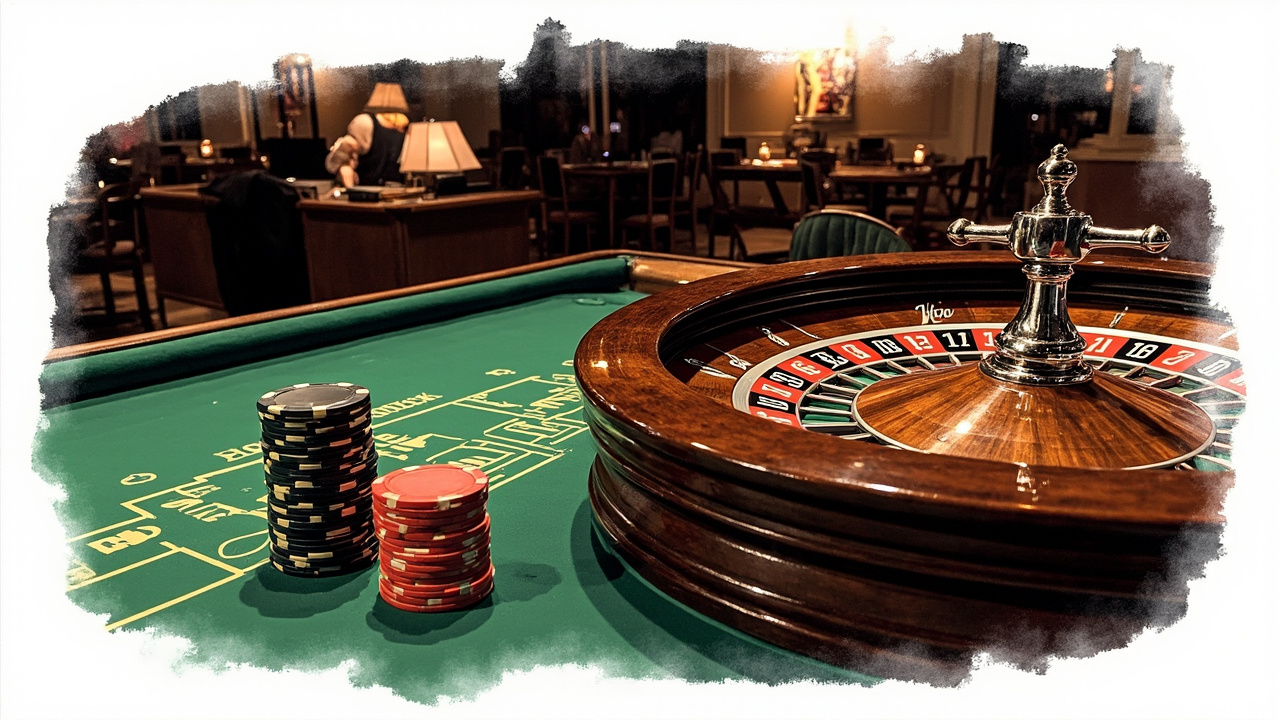
The tone of the room also shapes how people behave under pressure, and pop culture has long used that pressure to tell a story. Breaking Bad and Better Call Saul touch on money and vice in the Southwest, and the same tension shows up when a player sits across from a rising pot with a shrinking stack. The difference is that a responsible session treats that tension as information, not as a cue to improvise. When the format starts to feel personal, the smarter move is to step back, reset the buy-in level, and let the next field come to you.
Choosing Entry Points That Fit the Goal
Jackpot hunting is not the same as grinding a regular tournament schedule, so the entry points need to match the actual goal. A player focused on the top prize should favour fields where the prize pool has room to grow, rather than jumping into every event that pops up on the lobby. That choice is a lot like a brand deciding where to place its next campaign: the channel only earns the budget if it can reach the right audience at the right moment. On mobile, the same principle applies, because a cluttered lobby can push a player toward impulse entries that do not fit the plan. A cleaner interface, with clear pool numbers and timer countdowns, makes it easier to hold the line.
For anyone building a broader sense of how these formats fit into a responsible routine, a short read on poker strategy basics for responsible online play can help frame the difference between a focused session and a scattered one. Mia Henderson, iGaming Regulatory Consultant, Outback Gaming Research, puts it plainly: “The players who last are the ones who treat the prize pool as a signal, not a promise.” That mindset keeps the session anchored to the actual conditions on the table instead of the headline number on the lobby.
Knowing When to Step Back
The final part of a workable approach is knowing when the format has stopped fitting the goal. A jackpot hunter who keeps buying into crowded, low-value fields is no longer hunting, just spending. The exit decision should be as deliberate as the entry, because a clean stop preserves the bankroll for a better field later in the week. In regional New South Wales, where players often fit a session around work and family rather than a long evening at a venue, that discipline matters even more. A short, focused run beats a stretched-out chase, and the difference shows up in the results over time.
Dylan Kelly, Risk and Integrity Manager, Oceanic Gaming Strategy, notes that “consistency in entry choices is usually a better indicator of a healthy session than any single big win.” Callum Davies, Gaming Technology Consultant, Laneway Interactive Media, adds that “a clear exit rule is what turns a volatile format into something a player can actually repeat.” Those views line up with the broader point: a poker spin and go strategy for jackpot hunters works best when it is built around repeatable decisions, not lucky moments. When the pool, the field, and the timing all line up, the session earns its place. When they do not, the smart move is to log off and wait for a better setup.